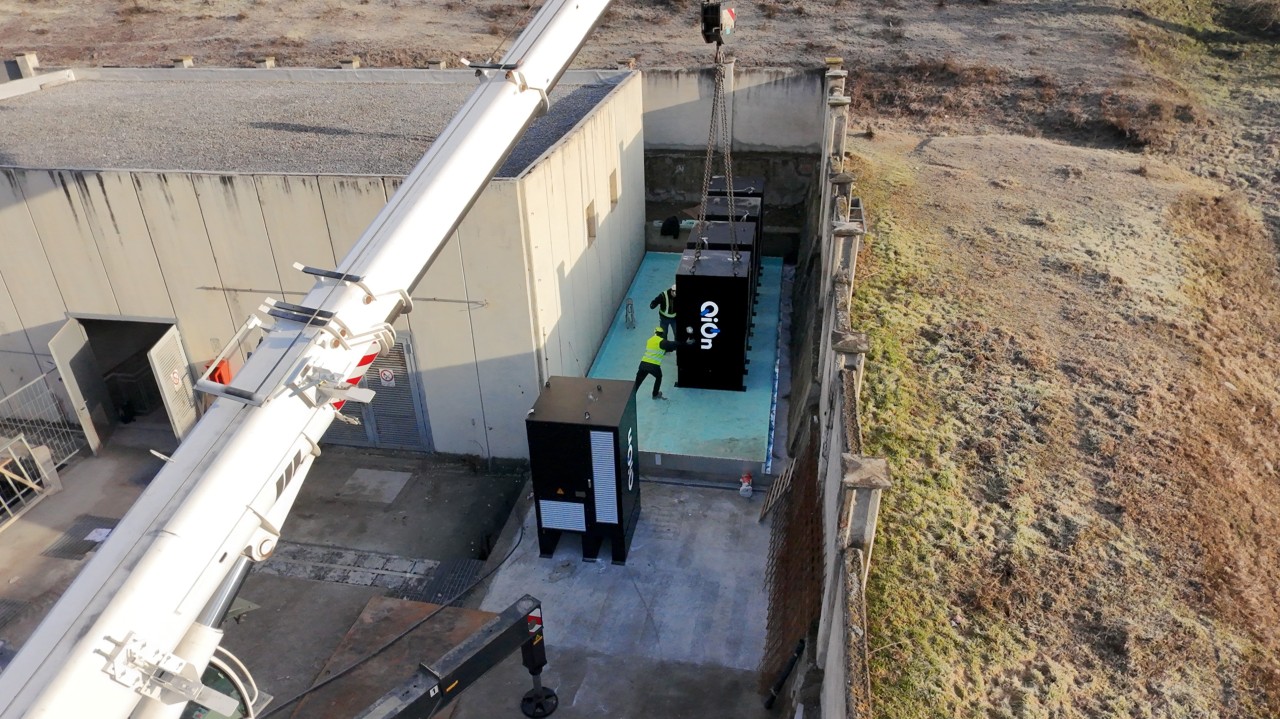
In the industrial sector, "standby" has historically been synonymous with a sunk cost — a necessary insurance policy against the catastrophic expense of downtime. Whether it's a multi-megawatt battery storage system (BESS), a fleet of heavy-duty electric vehicles, or a natural gas backup plant, these assets often sit idle for over 90% of their operational life.
However, by 2026, the global energy landscape has reached a tipping point. Grid operators are no longer just seeking more raw power; they are desperate for flexibility to manage the volatility of high-penetration renewables. According to the IEA's 2025–2026 Electricity Update, while global demand is rising by nearly 4% annually, the frequency of grid imbalances is increasing even faster. For industrial asset owners, this represents a shift in ROI: your backup system is no longer just an insurance policy; it is a high-value participant in the energy market.
What are ancillary services in the 2026 energy market?
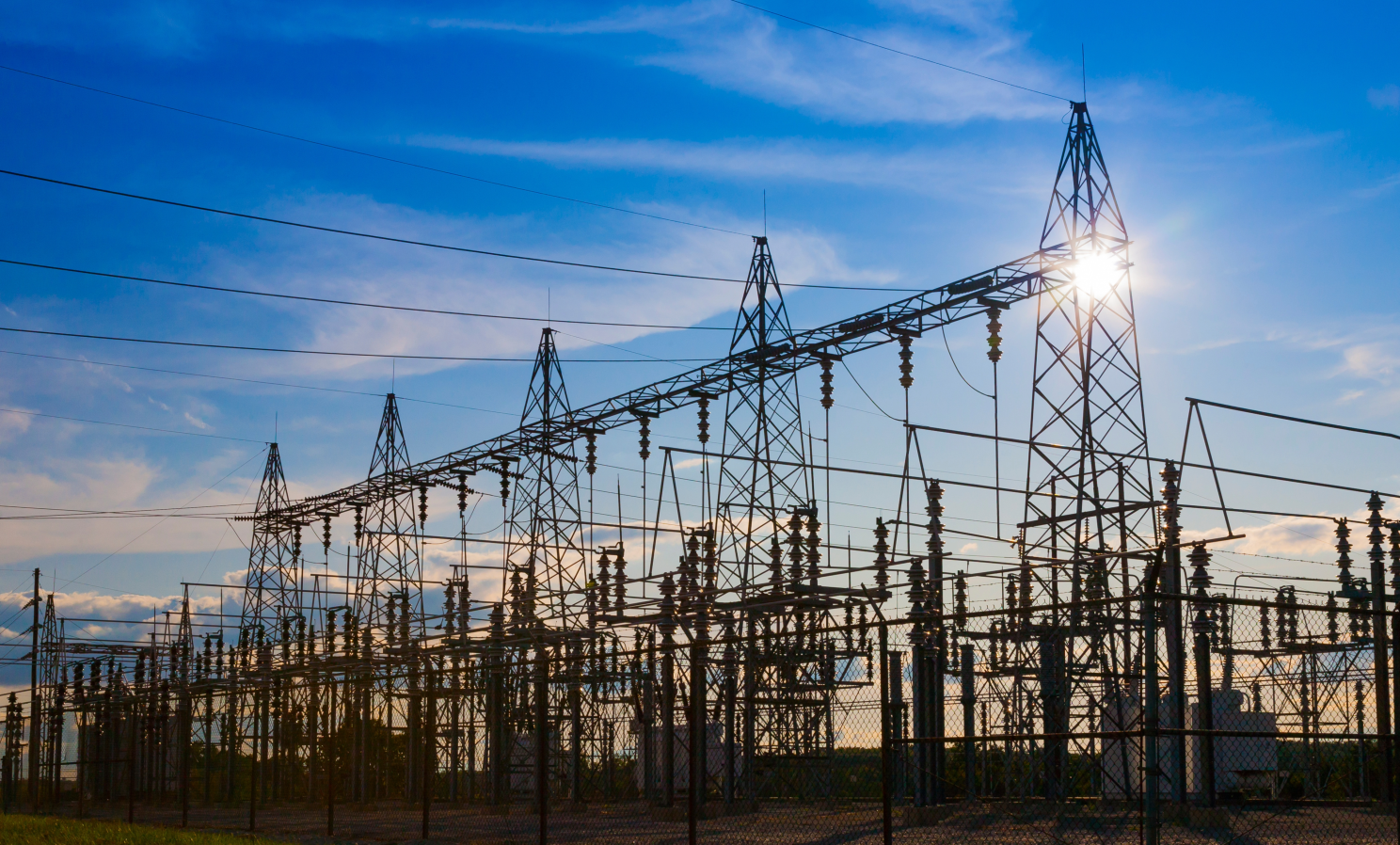
Ancillary services are the specialized functions required to maintain grid stability in real time. When a factory suddenly powers down or a wind farm's output drops, the grid frequency (50 Hz or 60 Hz) fluctuates. Transmission System Operators (TSOs) pay third parties to instantly inject or absorb power to correct these deviations.
The global market for these services is projected to grow at a CAGR of 25.6% through 2032, as the shift from synchronous (fossil-fuel) generators to inverter-based (renewables) power leaves the grid with less natural "inertia." This technical gap is where industrial flexibility becomes most valuable.
How Virtual Power Plants (VPPs) create new industrial revenue streams
The mechanism for capturing this value is the Virtual Power Plant (VPP). A VPP aggregates decentralized resources — like your site's battery or flexible load — and presents them to the grid as a single, reliable power source. Instead of trying to trade energy yourself, a VPP allows you to "stack" different revenue streams. According to market data from Modo Energy, sophisticated revenue stacks in leading markets like Germany have delivered rates as high as €200,000 per MW/year.
- Availability Payments (the "retainer"): You're paid simply for keeping your asset ready to respond. In many European regions, the fixed price for reserves like Frequency Containment Reserve (FCR) provides a predictable baseline of income.
- Activation Revenue (the "performance"): Additional revenue is earned every time your asset is actually called upon to discharge or curtail load.
- The 2026 inertia market: Major TSOs (such as those in Germany) have launched fixed-price remuneration for inertia services. This is a new frontier for battery systems that can provide grid-forming capabilities.
- Arbitrage & peak shaving: Between grid events, your system can automatically buy low and sell high or reduce your own site's demand charges, often saving industrial sites 10–30% on annual grid costs.
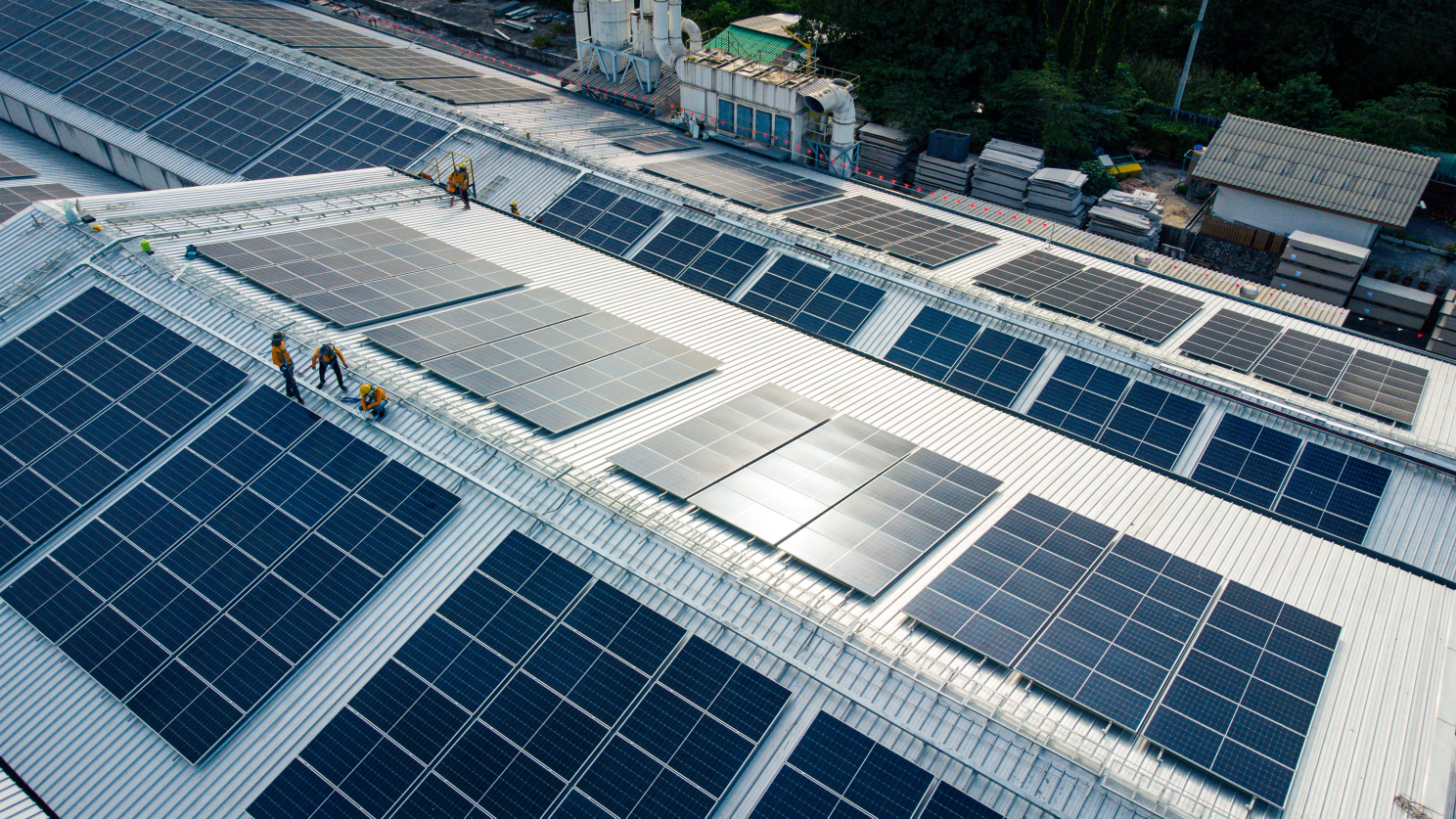
The financial impact of revenue stacking for battery storage
Until recently, most industrial batteries were "grid-following" — they simply reacted to the grid's signals. However, the new European Network Code on Requirements for Generators (NC RfG 2.0) is signaling a shift toward mandatory grid-forming capability for storage systems over 1 MW. For a facility manager, investing in this higher-tier technology isn't just about compliance; it's about qualifying for the most lucrative, fast-response markets that "basic" batteries cannot access.
By stacking avoided peak charges with market participation fees, many projects are seeing paybacks in 3 to 5 years, compared to 8+ years for a standalone "backup-only" system.
Scaling energy resilience with an intelligent operational layer
The primary barrier to entry for most companies isn't the hardware — it's the orchestration. Bidding into these markets requires millisecond-level telemetry and sophisticated forecasting to ensure that you never compromise your own plant's production while chasing grid revenue.
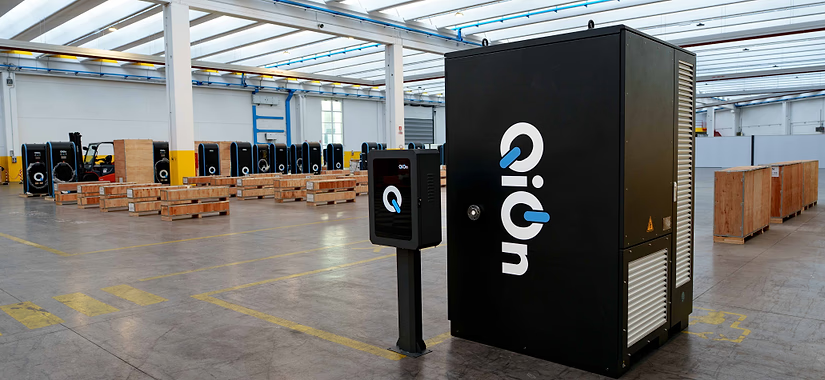
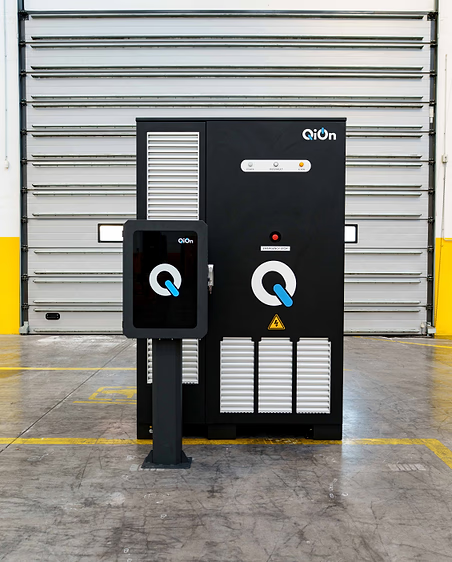
At QiOn, we view the Energy Management System (EMS) as the intelligence layer that converts physical assets into operating value. Our approach is to design systems that keep your operational data controlled and accountable. While your assets are participating in the grid, the EMS ensures that your primary business needs — uptime and resilience — remain the non-negotiable priority. By treating every battery or charger as a coordinated node, we help industries move from passive consumption to active energy management without adding operational risk.
Is your standby capacity working for you? Let's conduct a load-profile assessment to identify your site's hidden flexibility and the revenue potential of your existing assets. Talk to our team.